
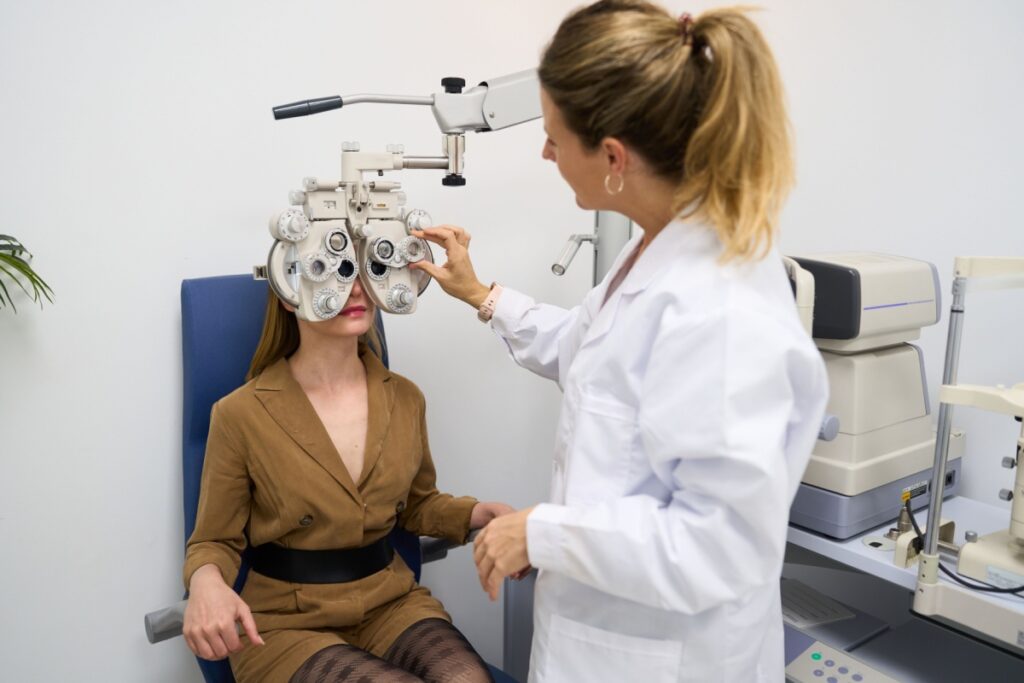
Many people think of eye exams just as a way to check if they need glasses. However, your eyes can sometimes reveal conditions that affect your entire body. Total Vision Richmond uses diagnostic technology during eye exams to help detect these health issues.
Eye exams can detect dozens of health conditions beyond vision problems, including diabetes, heart disease, and more—sometimes before you experience any symptoms.
What Your Eyes Reveal Beyond Vision Problems
Your retina (the back of your eye) contains the only blood vessels in your body that eye doctors can see directly without surgery. When you look into that bright light during an exam, the eye doctor can look at these vessels for signs of disease throughout your body.
Your Blood Vessels Tell a Story
Blood vessel changes in your eyes can mirror what’s happening in your heart, brain, and kidneys. Narrowed arteries, bleeding spots, or other signs can tell a story about your health that blood tests might miss. Eye exams can help detect over 270 health conditions, including diabetes, high blood pressure, and cancer.
The Role of the Optic Nerve
The optic nerve connects directly to your brain to send it signals about what you’re seeing. Because of this, swelling or changes in this area can signal increased brain pressure from tumors, infections, or other serious conditions.
Your eye muscles and coordination also reflect neurological health, helping eye doctors spot problems like multiple sclerosis (MS) and your risk of stroke. Multiple sclerosis affects the nerves controlling eye movement and coordination, causing double vision, eye muscle weakness, or coordination problems.
Autoimmune and Inflammatory Diseases
Rheumatoid arthritis can create inflammation throughout your body, including in your eyes. Red, uncomfortable eyes or dry eye symptoms might be your first signs of this joint disease.
Thyroid problems can affect the muscles and tissues around your eyes, sometimes creating bulging, double vision, or eyelid changes. These eye symptoms often develop before blood tests show thyroid hormone imbalances.
Common Health Conditions Found During Eye Exams
Diabetes and Blood Sugar Problems
High blood sugar can damage the tiny blood vessels in your retina, leading to bleeding or fluid leakage. This condition, called diabetic retinopathy, can develop before you notice vision changes or other diabetes symptoms.
Your eye doctor can spot these vessel changes during routine exams, helping you treat diabetes early. This is part of the reason that diabetic eye exams are so important: They can help prevent vision loss and serious complications, like kidney disease or nerve damage.
Heart Disease and Stroke Risk
The same plaque that can clog arteries in your heart also affects the blood vessels in your eyes. Narrowed or blocked eye arteries can indicate similar problems throughout your body.
High blood pressure can create distinctive changes in retinal blood vessels. They may become smaller, develop kinks, or show signs of bleeding. These changes sometimes appear before your blood pressure readings become dangerous, giving you time to make lifestyle changes or start treatment.
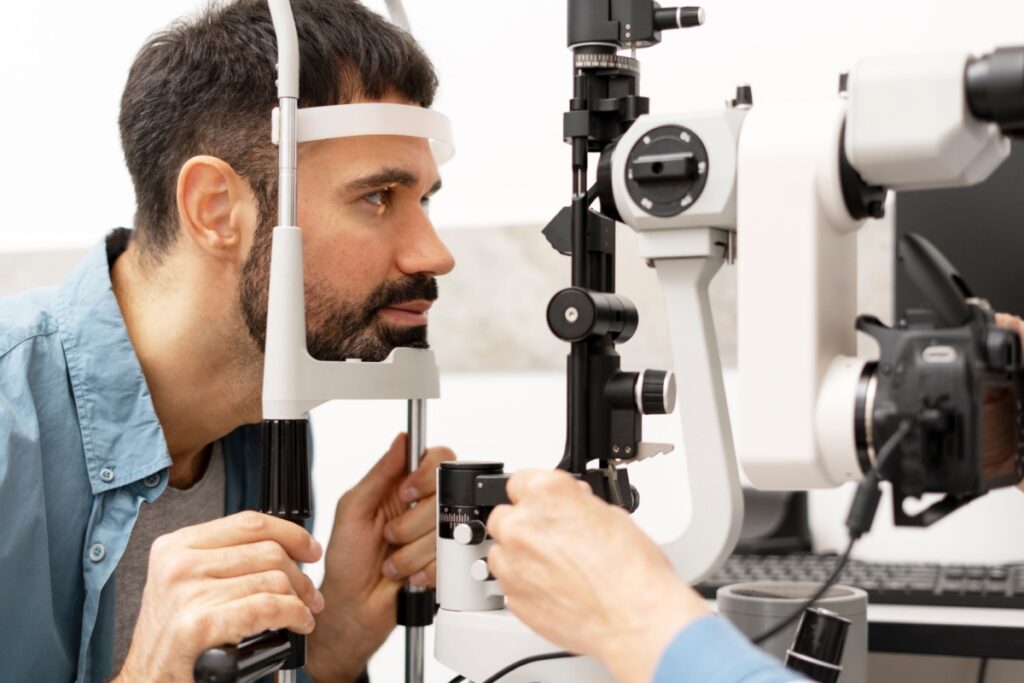
Age-Related Conditions Your Eye Doctor Can Spot
Cataracts
Cataracts can cloud your lens slowly, sometimes over years, but early detection helps you plan treatment before they significantly impact your daily activities. Our team can talk to you about when surgery might be necessary to improve your vision.
Glaucoma
Glaucoma is often associated with increased eye pressure, which can damage your optic nerve without causing pain or obvious vision changes. Early detection helps treat glaucoma before it causes vision loss.
Age-related Macular Degeneration (AMD)
Macular degeneration affects your central vision, making reading and driving difficult. Your eye doctor can spot early signs of this condition and recommend treatments that slow its progression.
How Often You Need Eye Exams
Your eye exam schedule depends on a few factors, including your current health, family history of eye disease, and more. Here are some general guidelines:
- School-aged children: Once a year.
- Adults under 40: Every 2–3 years.
- Adults over 40: Every 1–2 years.
- Adults over 65: Once a year to help catch vision-threatening conditions and serious health problems early.
Our eye doctors can recommend a schedule tailored to your individual needs.
Schedule Your Next Eye Exam
Our team with Total Vision Richmond provides comprehensive eye exams that help protect both your vision and overall health. Schedule your eye exam today in San Francisco, California, to discover what your eyes reveal about your well-being.